DP1 vs DP3: Which Dwelling Policy Should Landlords Pick?
For most occupied rental properties, a DP3 is the right choice. DP1 makes sense only for vacant, seasonal, or hard-to-place properties where carriers limit your options. Before you read further, pull out your declarations page and confirm two things:
- Coverage scope: DP1 covers a short list of named perils only; DP3 covers the dwelling on an open-peril basis, meaning any cause of loss not specifically excluded is covered.
- Claim payout basis: DP1 typically settles on Actual Cash Value (ACV), which deducts depreciation; DP3 generally pays Replacement Cost Value (RCV) for the structure.
If your declarations page shows DP1 and you operate long-term occupied rentals, get competing DP3 quotes before your next renewal.
Key Takeaways
For most occupied rentals, DP3 is the correct form because open-peril coverage and RCV settlement together prevent the large out-of-pocket losses that DP1 with ACV routinely produces.
| Point | Details |
|---|---|
| DP3 for occupied rentals | DP3's open-peril coverage and RCV settlement are the standard for long-term occupied rental properties. |
| ACV vs RCV gap is real | Depreciation under ACV can reduce a structural claim payout by thousands of dollars compared to RCV. |
| Vacancy rules matter | Most carriers suspend key coverages after 30–60 days of vacancy; document inspections and notify your insurer. |
| Endorsements change the math | Loss of rents, liability, and water backup are often absent from DP1; confirm which are included or available under your DP3. |
| Milwaukeepm reduces risk | Active tenant screening, maintenance coordination, and portal documentation help landlords maintain DP3 eligibility and support claims. |
Table of Contents
- What do DP1 and DP3 actually mean for your rental?
- DP1 vs DP3 coverage comparison: perils, payouts, and real scenarios
- How claims are actually paid: ACV vs RCV and what it costs you
- Add-on coverages landlords should consider with DP forms
- What drives the premium difference between DP1 and DP3?
- When should you choose DP1, and when does DP3 make more sense?
- Exclusions and vacancy rules that commonly catch landlords off guard
- Why risk-management experts recommend DP3 for standard rentals
- Questions to ask your agent before buying a dwelling policy
- Sources
What do DP1 and DP3 actually mean for your rental?
"DP" stands for Dwelling Policy, the insurance form family designed for non-owner-occupied residential properties. The form number appears on your declarations page, usually near the policy type or coverage description line.
DP1 is the basic form. It lists a specific set of named perils — typically fire and lightning, windstorm and hail, explosion, riot or civil commotion, aircraft, vehicles, smoke, volcanic eruption, and sometimes vandalism as an add-on. If a loss isn't on that list, the claim is denied. Settlement is almost always Actual Cash Value, which means the insurer subtracts depreciation before writing a check. Carriers offer DP1 most readily for vacant homes, older structures, or properties that don't qualify for broader coverage.
DP3 is the special form. It covers the dwelling structure on an open-peril basis: any cause of loss is covered unless the policy specifically excludes it. Settlement for structural losses is generally Replacement Cost Value. Most carriers also allow or include endorsements for loss of rental income and personal liability under a DP3, making it the standard choice for occupied long-term rentals, according to Kin's comparison of DP1 and DP3.
One common point of confusion: DP3 is not the same as an HO3. An HO3 is a homeowner's policy for owner-occupied primary residences and typically extends personal property and liability coverage more broadly. A DP3 is purpose-built for landlords and non-owner-occupied dwellings.
To find your form, look at the declarations page under "Policy Form" or "Coverage Form." The settlement basis appears under the dwelling coverage line, often labeled "Replacement Cost" or "Actual Cash Value."
DP1 vs DP3 coverage comparison: perils, payouts, and real scenarios
The table below captures the core differences across the dimensions that matter most at claim time.
| Dimension | DP1 | DP3 |
|---|---|---|
| Coverage scope / perils | Named perils only (fire, lightning, windstorm, hail, explosion, riot, smoke, aircraft, vehicles, volcanic eruption; vandalism optional) | Open-peril dwelling coverage — all causes of loss covered unless excluded |
| Valuation / claim payout | Actual Cash Value (ACV) — depreciation deducted | Replacement Cost Value (RCV) for the structure |
| Typical use case | Vacant, seasonal, older, or hard-to-place properties | Occupied long-term rentals; standard landlord coverage |
| Additional coverages available | Limited; liability and loss of rents usually require separate policies or are unavailable | Liability, loss of rental income, vandalism, water backup, and other endorsements commonly available |
| Typical cost / premium | Lower base premium | Higher premium, reflecting broader perils and RCV settlement |
| Common exclusions / vacancy rules | Flood, earthquake, wear and tear; vacancy clauses often trigger after 30–60 days | Flood, earthquake, wear and tear, mold, ordinance or law; vacancy clauses apply but endorsements sometimes available |
The Zebra's policy explainer and Pacific Specialty's DP1 vs DP3 guide both confirm this named-peril vs. open-peril distinction as the defining structural difference between the two forms.
Scenario 1 — Burst pipe in an occupied rental: Under DP3, sudden and accidental water damage from a burst pipe is typically covered because no exclusion removes it. Under DP1, the same loss is likely denied: water damage from plumbing failure is not on the standard named-peril list.
Scenario 2 — Storm-damaged roof: Both forms cover windstorm and hail. The difference shows up in the check. Under DP1 with ACV, a 15-year-old roof may be depreciated significantly before settlement. Under DP3 with RCV, the insurer pays to replace the roof at current material and labor costs, minus your deductible.
Scenario 3 — Tenant-caused vandalism: DP1 typically excludes vandalism unless you've added it as an endorsement. DP3 covers vandalism as part of its open-peril structure unless the policy specifically carves it out.
How claims are actually paid: ACV vs RCV and what it costs you
The settlement basis is where the financial gap between DP1 and DP3 becomes concrete. ACV is calculated as replacement cost minus depreciation. RCV pays what it actually costs to repair or rebuild with materials of like kind and quality.
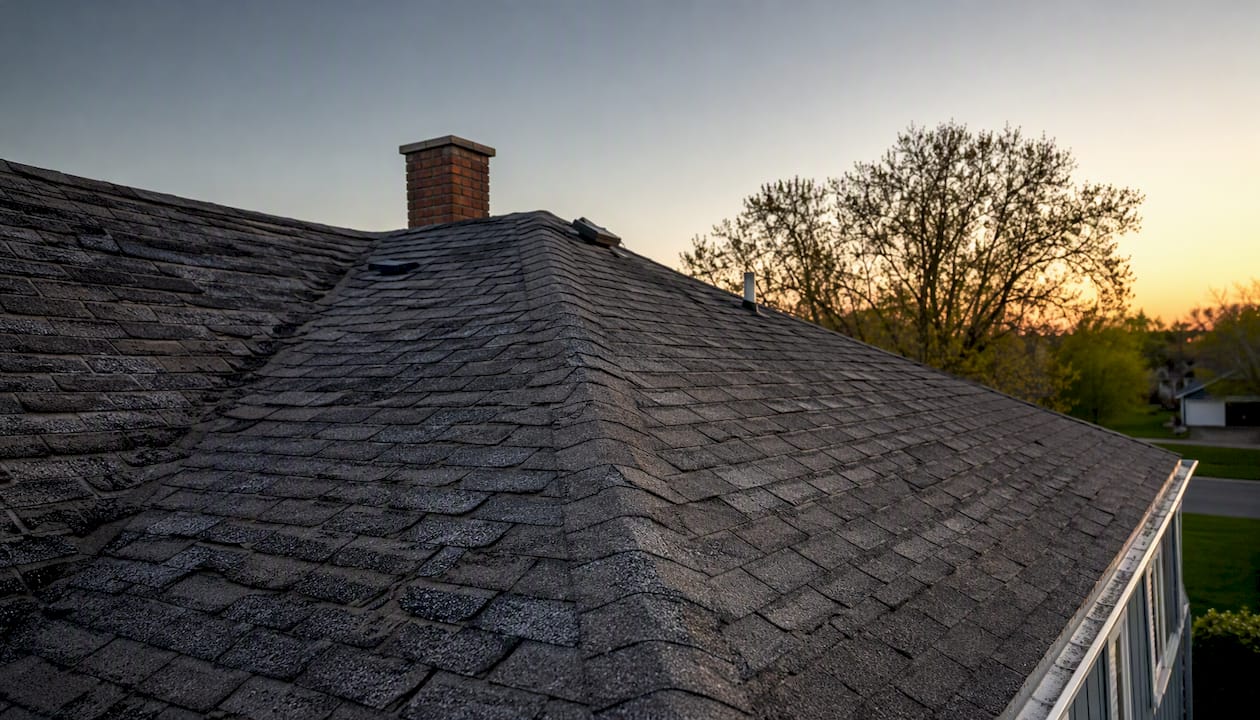
Consider a straightforward illustrative example. A roof that costs $18,000 to replace is 12 years old with a 20-year expected lifespan. Under RCV, the settlement is $18,000 minus the deductible. That gap — potentially $7,000 or more on a single roof claim — comes directly out of your pocket under a DP1 policy.
Vantage Point Risk's landlord policy guide makes the point plainly: choosing DP1 for price alone can produce catastrophic out-of-pocket costs because ACV payouts factor depreciation into every settlement. The premium savings rarely offset a single major structural claim.
Pro Tip: Even under a DP3, confirm that the RCV endorsement applies to all structural components. Some carriers default the roof to ACV after a certain age unless you specifically negotiate a roof-surfacing endorsement. Ask your agent in writing before binding coverage.
One more detail worth checking: RCV policies often require you to complete repairs before the insurer releases the full replacement-cost portion. If cash flow is tight, understand your carrier's repair-completion requirements before a loss occurs.
Add-on coverages landlords should consider with DP forms
A bare DP1 is a stripped-down policy. Most of the coverages that matter operationally for a landlord either require endorsements or aren't available at all under the basic form. Here's what to evaluate:
- Personal liability: Covers bodily injury or property damage claims from tenants or visitors. Often absent from DP1; typically available under DP3.
- Medical payments to others: Pays minor injury claims without a liability determination. More commonly included or available under DP3.
- Loss of rental income / fair rental value: Reimburses lost rent while the property is uninhabitable after a covered loss. Rarely included in DP1; a standard or endorsable feature under DP3.
- Vandalism and malicious mischief: Optional add-on under DP1; generally covered under DP3's open-peril structure.
- Water backup and sump overflow: Excluded from both forms by default; available as an endorsement under DP3 at most carriers.
- Equipment breakdown: Covers HVAC, water heaters, and appliances; available as an endorsement under DP3, rarely offered under DP1.
- Building ordinance or law: Pays the cost of bringing a repaired structure up to current code. Critical for older properties; available under DP3, often not under DP1.
- Roof-surfacing endorsement: Adjusts how wind and hail claims are paid based on roof age; negotiable under DP3 and can keep older roofs on RCV terms, per Kin's coverage breakdown.
- Landlord contents coverage: Covers appliances and fixtures you own inside the unit. Available under DP3; limited or unavailable under DP1.
Vacancy clauses can void several of these endorsements. If a property sits unoccupied beyond the carrier's vacancy threshold (commonly 30–60 days), loss of rents and vandalism coverage may be suspended automatically. Confirm the threshold in your policy language before a tenant moves out.
What drives the premium difference between DP1 and DP3?
DP3 premiums are generally higher than DP1 premiums because the broader open-peril coverage and RCV settlement represent greater insurer exposure, though the premium gap varies by property and insurer, as Steadily's landlord insurance guide notes.
The primary cost drivers across both forms include:
- Policy form: DP3 carries a higher base rate than DP1 for the same property.
- Settlement basis: Adding RCV to any form increases premium relative to ACV.
- Property age and construction: Older homes with outdated wiring, plumbing, or roofing cost more to insure under either form.
- Location and hazard exposure: Coastal, wildfire-prone, or high-crime areas raise premiums regardless of form.
- Vacancy history: A property with recent vacancy periods may face surcharges or limited form availability.
- Deductible selection: Higher deductibles reduce premium; lower deductibles increase it.
- Loss history: Prior claims on the property or by the owner affect pricing across carriers.
The practical takeaway: the premium gap between DP1 and DP3 often narrows once you add the endorsements a DP1 needs to approach comparable protection. Liability, loss of rents, and vandalism coverage added to a DP1 can close the gap considerably, sometimes making DP3 the more cost-efficient choice on a coverage-per-dollar basis.
Get at least three carrier quotes, and ask each agent to price identical limits, the same deductible, and the same endorsement set. That's the only way to make a genuine apples-to-apples comparison.
When should you choose DP1, and when does DP3 make more sense?
Work through this checklist before your next renewal or purchase:
- Is the property currently occupied by a tenant? If yes, DP3 is almost always the appropriate form.
- Does the property carry a mortgage or investor financing? Many lenders require RCV settlement and broad coverage, which DP1 typically can't satisfy.
- Is loss of rental income a financial necessity? If a covered loss would leave you unable to cover the mortgage without rent, you need loss-of-rents coverage — a DP3 feature.
- What is the property's rebuild cost? Higher rebuild values amplify the ACV depreciation gap; the more expensive the structure, the more RCV matters.
- Is the property vacant or seasonal? Short-term vacancy between tenants or a seasonal property may justify DP1 if DP3 is unavailable or cost-prohibitive.
- Can you absorb a large out-of-pocket loss? If a $50,000 structural loss with a 40% depreciation deduction would strain your finances, DP1 is not a safe choice.
- Is DP3 available from any carrier for this property? Older, distressed, or high-risk properties may not qualify; DP1 may be the only option.
- Have you documented a deliberate risk decision? If you choose DP1 knowingly, record the rationale and maintain a cash reserve for the depreciation gap.
Red flags that point clearly to DP3: frequent tenant occupancy, high rebuild costs, tenant liability exposure, mortgage requirements, or any situation where a single major claim could threaten the investment's viability.
DP1 is defensible when: the property is between tenants for a defined short period, the structure is older and DP3 is genuinely unavailable, or you've made a documented risk decision with a financial contingency in place.
Exclusions and vacancy rules that commonly catch landlords off guard
Both DP1 and DP3 exclude flood and earthquake by default. Separate NFIP or private flood policies and earthquake endorsements are required for those perils. Homeland Title and Escrow's DP3 overview confirms that even DP3's open-peril structure doesn't reach flood or earthquake without separate coverage.
Other common exclusions across both forms: wear and tear, gradual deterioration, mold (unless caused by a covered peril and reported promptly), ordinance or law (unless endorsed), intentional acts, and neglect. Neglect is particularly important: if a loss worsens because you failed to make reasonable repairs after discovering damage, the insurer can reduce or deny the claim.
Vacancy clauses are the most operationally significant trap. Most carriers define a property as vacant after 30 or 60 consecutive days with no occupant. Once that threshold is crossed, several coverages may be suspended automatically: vandalism, glass breakage, and sometimes water damage. Some carriers void the entire policy.
To maintain coverage during vacancy:
- Conduct and document regular inspections (typically every 7–14 days).
- Keep heat, water, and electricity active as required by the policy.
- Notify your insurer when a tenant vacates and ask about a vacancy endorsement.
- Keep the property actively listed and document marketing activity.
- Confirm in writing with your agent what the vacancy threshold is and what actions preserve coverage.
Why risk-management experts recommend DP3 for standard rentals
The most important structural advantage of DP3 isn't the perils list. It's where the burden of proof sits. Under a named-peril DP1, you must demonstrate that the loss was caused by a listed peril. Under DP3's open-peril structure, the insurer must identify a specific exclusion to deny the claim. That shift reduces coverage disputes and makes claim outcomes more predictable for landlords.
The combination of DP1 and ACV is the most common failure mode in landlord insurance. Narrow coverage means more denied claims; depreciated payouts mean smaller checks on the claims that do pay. The result is a policy that feels adequate until a real loss occurs, then leaves the owner with a large funding gap.
Vantage Point Risk frames this clearly: the premium gap between DP1 and DP3 is often smaller than owners expect, and viewing insurance as financial stability rather than a cost center changes the calculus. A DP3 premium that costs more per year can prevent a five- or six-figure out-of-pocket loss after a single structural event.
Pro Tip: When comparing quotes, ask each carrier to show you the exclusions list for the DP3 form, not just the declarations page. The exclusions section is where the real coverage differences live, and reviewing it takes less than ten minutes.
For state-specific form definitions and vacancy rules, your state's Department of Insurance is the binding authority. State DOI pages detail local nuances that carrier marketing materials often omit.
Questions to ask your agent before buying a dwelling policy
Bring this checklist to every agent conversation or quote request:
- "Is this a DP1, DP2, or DP3 form?" Get the form number in writing, not just a product name.
- "What is the dwelling settlement basis — ACV or RCV?" Confirm it applies to all structural components, including the roof.
- "Are loss of rents and personal liability included, or do they require endorsements?"
- "What is the vacancy threshold, and what happens to coverage after that date?"
- "Which endorsements are available — water backup, ordinance or law, equipment breakdown?"
- "How does the carrier handle roof age for wind and hail claims?"
For quote comparison, verify identical limits, matching deductibles, the same RCV or ACV basis, and the same endorsement set across every quote. A lower premium on a quote with fewer endorsements is not a savings.
Documents to have ready: your current declarations page, a recent rebuild cost estimate or appraisal, photos documenting current property condition, tenant occupancy records or lease agreements, and any prior loss history.
A property manager's perspective on dwelling policy decisions
Insurance choices don't exist in isolation. The form you carry and the coverage you maintain are directly connected to how well the property is managed day to day. A property with low vacancy rates, documented maintenance records, and screened tenants presents a materially different risk profile than one with frequent turnover and deferred repairs. That operational reality affects both your eligibility for DP3 and your claim outcomes when a loss occurs.
If you're uncertain whether your current coverage matches your actual risk exposure, a conversation with a trusted insurance advisor or property management professional is a practical next step. Coverage reviews cost nothing and can surface gaps before a claim makes them expensive.
How Milwaukeepm helps reduce insurance risk for landlords
Keeping a rental property on a DP3 policy requires more than just signing the right form. Carriers look at occupancy history, maintenance records, and property condition when underwriting and renewing coverage. Milwaukeepm's full-service property management directly addresses those factors: thorough tenant screening reduces vacancy gaps and tenant-caused damage claims, proactive maintenance coordination keeps the property in insurable condition, and detailed documentation through owner and tenant portals gives you the records an insurer or adjuster may request.
For landlords managing occupied rentals in Milwaukee, those operational details are what keep a DP3 policy available and claims manageable. To learn more about how active property management services reduce your insurance exposure, contact Milwaukeepm for a property review.
Sources
- DP1 vs DP3 | Kin
- DP1 vs. DP3: Which Landlord Policy Form Do You Actually Have? - Vantage Point Risk
- What is the difference between a DP-1 and a DP-3 policy? - The Zebra
- DP1 vs DP3 | PSIC
- DP1 vs. DP3 Insurance Policies - 2026 Guide | Steadily
- What is a DP-3 Home Insurance Policy? - Homeland Title and Escrow
This article provides general information about dwelling insurance policy forms and is not a substitute for advice from a licensed insurance professional. Confirm current policy terms, exclusions, and state-specific rules with your carrier or a qualified agent.